Melbourne, FL · Brevard County
Mold Damage Repair in Melbourne, FLMold Contaminated Insulation Removal & HVAC Duct Mold Cleaning
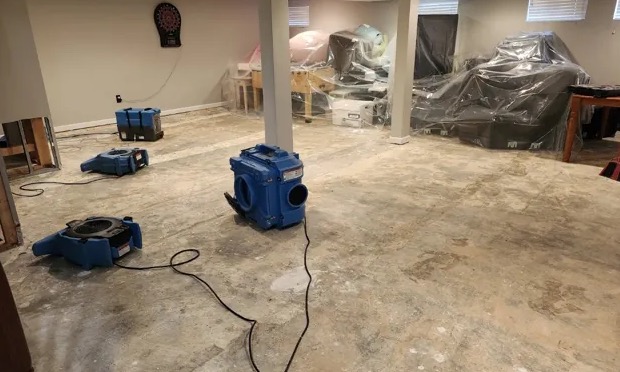
Mold Damage Repair in Melbourne often includes mold damaged flooring removal, post-remediation structural drying and structural wood mold treatment.
Answered 24/7
Mold Damage Repair Solutions in Melbourne, Florida
For homes in Melbourne, restoration is needed when water lets mold grow and weaken building materials. Drying after remediation leaves no moisture for new mold.
In Melbourne, the work includes removing moldy flooring and drying the structure. Nearby places like Indialantic, Melbourne Beach and West Melbourne share similar restoration needs. Local water damage restoration experts use IICRC-standard methods for mold remediation and cleanup.
Mold Damage Repair Services for Melbourne
Mold Contaminated Insulation Removal
In homes throughout Melbourne, attic or wall insulation often holds hidden mold. The pros conduct thorough removal to address both mold and moisture.
HVAC Duct Mold Cleaning
In Melbourne, HVAC systems can harbor mold, especially after water damage. The pros offer duct cleaning services to remove this contamination at its source, helping you breathe easier.
Subfloor Mold Remediation
The pros locate the source of subfloor mold. They remove damaged plywood, treat the joists below and dry the area.
Post-Remediation Structural Drying
The pros use industrial air movers after mold removal. They bring wood and concrete moisture levels down to normal to prevent regrowth.
Structural Wood Mold Treatment
The pros assess penetration depth on load-bearing wood. They clean the wood and apply a mold-inhibiting sealant.
Warning Signs You Need Mold Damage Repair
Cracking or Splitting Wood Joints
As mold weakens structural wood, joints and supports may start to show physical stress cracks.
Recent Water Damage Stains
Discolored ceilings or walls from past leaks can create the perfect environment for mold.
Musty Odors in Specific Rooms
A persistent earthy smell often signals hidden mold growth within walls, floors, or HVAC systems.
Allergy Symptoms Indoors
Sudden worsening of coughs, itchy eyes, or congestion at home can be a reaction to mold spores.
How Mold Damage Repair Works in Melbourne
Step 1: Emergency Response and Evaluation
Upon quick action, the specialists assess the scope of structural damage and plan the mold damage restoration process.
Step 2: Active Mold Growth Removal
Pros physically remove all visible mold colonies and the porous materials they grow on, such as during mold contaminated insulation removal.
Step 3: Antimicrobial Application and Treatment
After removal, approved antimicrobials are applied to remaining structural surfaces to inhibit any residual mold spores from reactivating.
Step 4: Air Quality Clearance Testing
Air samples may be taken afterward to confirm spore counts are safe.
Causes of Mold Structural Damage
Poor Bathroom Ventilation
Shower steam with no exhaust fan leads to moisture buildup on walls and ceilings, encouraging mold.
Appliance Overflow Incidents
Washing machine, dishwasher, or water heater failures can flood floors and walls, starting rapid mold growth.
Improper Drying After Water Damage
Incomplete drying after any water incident leaves hidden moisture that turns into mold within days.
Chronic Plumbing Leaks
Slow drips inside walls or under floors provide constant moisture, leading to extensive structural mold damage over time.
Mold Damage Repair for All Property Types in Melbourne
Residential Mold Damage Repair
Homeowners face risks from mold in structural wood, like support beams and studs, which compromises safety. Local pros treat structural wood and dry the home to protect it and the indoor air.
Commercial Mold Damage Repair
Commercial properties need mold removed to meet health rules and protect the building. The experts set up containment and remove large areas of damaged flooring.
Calling Structural Damage Restoration Pros vs. DIY for Mold Damage Repair in Melbourne
Before the pros get there, you can remove easily accessible personal items from the affected room to speed up their work. Do not attempt mold infested drywall removal or structural wood treatment yourself, as this requires containment and specialized tools.
Cost Considerations for Mold Damage Repair in Melbourne
Price depends on how much moldy material must be removed and how complex the repairs to load-bearing parts are.
Extent of Damage
The square footage of mold-compromised structural materials, from a small section to an entire wall system, dictates labor and material needs.
Emergency Response
After-hours or weekend work to set up mold containment may cost more than scheduled work.
Testing and Verification
Post-remediation mold testing to confirm clearance adds a final step and associated lab analysis fees.
Does Insurance Cover Mold Damage Repair?
A homeowners policy may provide for mold damage repair if the mold is a direct result of a covered loss. The role of the pros is to accurately document the extent of damage with photos and moisture readings for the property owner's records. All final determinations about payment for structural repair are made by the insurer.
Why Choose Local Pros for Mold Damage Repair in Melbourne
IICRC-Standard Remediation
Methods follow industry guidelines for safe mold abatement and structural repair, focusing on containment and proper removal.
Targeted Material Treatment
Each material gets its own procedure, such as structural wood versus ducts.
24/7 Emergency Response
Help is available to set up emergency mold containment and prevent further structural damage spread.
Round-the-Clock Emergency Mold Damage Repair for Melbourne
Heavy mold on beams or subflooring needs prompt attention before the structure weakens. Call (321) 989-6466 for emergency structural damage restoration service, which is available around the clock for properties in Melbourne.
Call Now (321) 989-6466Mold Damage Repair FAQs
What happens during post-remediation structural drying?
After mold removal and repairs, industrial dehumidifiers and air movers dry out new materials and adjacent structures to prevent residual moisture from causing new mold growth.
What is involved in mold structural damage restoration?
It includes assessment, containment, removal of moldy materials, treatment of the remaining structure, drying and final testing.
Does mold testing happen before and after restoration?
Pre-testing can identify spore types and levels. Testing after remediation is standard to confirm cleanup and drying worked.
Why is emergency mold containment setup important?
Containment with plastic sheeting and negative air pressure isolates the work area, preventing mold spores from spreading to clean parts of your home during remediation.
Why is structural drying a separate phase after mold removal?
Drying removes moisture left from the leak or the remediation, which prevents mold from coming back.