Melbourne, FL · Brevard County
HVAC Fire Damage Cleanup in Melbourne, FLAir Duct Soot Removal & HVAC Soot
Air duct soot removal, HVAC filter replacement, and smoke odor neutralization are part of HVAC Fire Damage Cleanup in Melbourne.
Answered 24/7
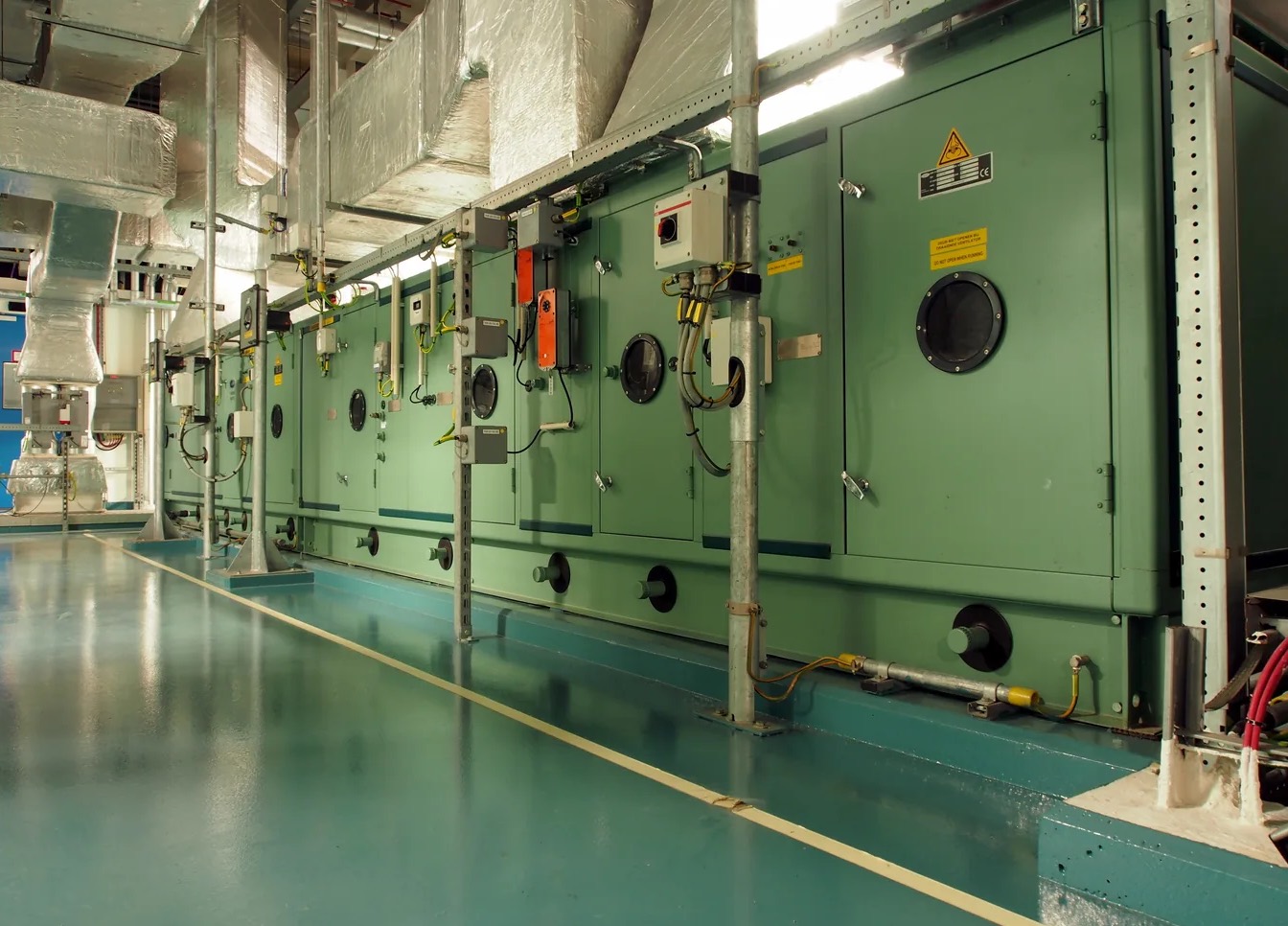
Expert HVAC Fire Damage Cleanup for Melbourne Homes and Businesses
HVAC filter replacement after fire is because filters trap soot and become clogged rapidly, restricting airflow. Using a contaminated filter can strain your system and redistribute pollutants throughout your home.
In Melbourne and nearby locales like Indialantic, Melbourne Beach and West Melbourne, odor removal after fire in HVAC is common. Odor particles bind to dust and ducts. Local HVAC fire damage cleanup pros use oxidation during duct sanitization to break them down.
Detailed HVAC Fire Damage Cleanup for Melbourne Properties
Air Duct Soot Removal
Clearing soot requires accessing the ductwork. Containment prevents soot from escaping into clean areas. The removal targets the powdery substance that carries fire-related odors.
HVAC Soot
Following a fire, soot and debris can coat HVAC components, reducing efficiency. Local HVAC fire damage cleanup pros in Melbourne carefully remove these particulates from the unit, blowers, and ductwork to restore airflow.
Emergency HVAC System Shutdown
Shutting down the HVAC system prevents the disaster from multiplying. The blower fan can pull smoky air and distribute it. Securing the power contains contamination until cleaning occurs.
HVAC Fire Damage Cleanup
After a fire, an HVAC system can spread contaminants. Thorough HVAC fire damage cleanup addresses this specific risk. The process removes soot and residues from mechanical areas.
Post-Fire Duct Sanitization
Sanitizing ductwork after a fire addresses odor-causing bacteria and mold spores. The process involves fogging a sanitizing solution throughout the clean ducts. This neutralizes organic odors and provides a protective layer.
How to Know You Need HVAC Fire Damage Cleanup in Melbourne
Visible Soot Around Air Vents
Black dust or smudges near your vents and registers are clear indicators of smoke damage circulating through your ducts.
Uneven Heating or Cooling Post-Fire
Temperature inconsistencies in different rooms can be caused by blocked vents or registers from fire damage air quality issues.
HVAC System Is Noisy or Struggling
Unusual sounds or strain from your HVAC unit may indicate soot buildup on components like the blower motor.
Reduced Airflow From HVAC Vents
Weak airflow can signal that fire debris is clogging your ductwork, blower motor, or air filters after an incident.
How HVAC Fire Damage Cleanup Works in Melbourne
Step 1: Source Identification and Inspection
The inspection locates the main pathways of smoke intrusion into the ductwork. Understanding this flow is essential for planning a post fire HVAC cleaning strategy for the entire system.
Step 2: Dry Soot and Debris Extraction
The bulk of dry soot is vacuumed out using high-powered HEPA-filtered extraction units. This soot removal from air ducts is a dry process to avoid creating mud-like residues inside the ducts.
Step 3: Detailed Component Cleaning
Attention turns to individual components like the heat exchanger, drip pan, and accessible duct sections. This blower motor and coil cleaning step requires disassembly and manual cleaning by the pros.
Step 4: Final Air Scrubbing and Filtration
Air scrubbers with HEPA filters run to purify the air in the home. This final polish captures airborne particles released during cleaning, completing the air quality testing post-cleanup preparation phase.
What Causes HVAC Smoke Damage in Homes
Chemical Residues From Burning Materials
Modern furnishings and building materials release acidic, corrosive chemicals when burned, which coat and damage HVAC components.
Improper Use of HVAC After Fire
Running the heating or cooling system before cleanup spreads soot and odor throughout the entire home, worsening the contamination.
Water and Chemical Residue From Firefighting
Water and fire retardant chemicals used to extinguish flames can mix with soot, creating a corrosive slurry inside air ducts.
House Fire or Kitchen Fire
A primary structure fire forces massive amounts of soot, smoke, and chemical residues directly into the home's HVAC intake and ductwork.
HVAC Fire Damage Cleanup for Homes and Businesses in Melbourne
Residential HVAC Fire Damage Cleanup
A home's HVAC system needs attention after fire damage. Procedures like air duct smoke damage cleanup and odor removal require specific tools. The pros focus on these to safeguard the home's air.
Commercial HVAC Fire Damage Cleanup
For office or retail spaces, fast HVAC fire damage cleanup limits operational interruption. The process includes emergency shutdown, duct cleaning, and final air quality testing to ensure the environment is professionally restored.
Professional HVAC Fire Damage Cleanup or DIY Cleanup in Melbourne
Light HEPA vacuuming around floor vents removes loose surface soot. Avoid inserting the hose into ducts, which pushes debris deeper. Professional air duct smoke damage cleanup uses negative air machines and brush systems.
Understanding HVAC Fire Damage Cleanup Costs in Melbourne
Post-fire duct sanitization and smoke odor neutralization procedures add to the overall project cost, as these are processes beyond basic soot removal from air ducts.
Emergency Service Needs
If emergency HVAC system shutdown and help are required, it can influence the project's initial mobilization and assessment phase.
Filter and Part Replacement
The number of HVAC filters needing replacement and any components damaged by heat or soot impact material costs.
Required Decontamination Steps
Projects needing full post-fire duct sanitization and smoke odor neutralization involve additional equipment and cleaning agents.
Does Insurance Cover HVAC Fire Damage Cleanup?
Insurance may cover HVAC system restoration after a fire if the peril is included. Pros document air duct smoke damage cleanup for the claim. Final approval rests solely with the insurance company.
Benefits of Local Pros for HVAC Fire Damage Cleanup
Thorough Vent and Register Cleaning
Focus on cleaning soot from vents ensures airflow pathways are clear and contaminants are removed from accessible surfaces.
Post-Cleanup Air Quality Verification
Air quality testing post-cleanup provides tangible data that the HVAC system restoration after fire has achieved a healthier environment.
IICRC-Standard Cleaning Protocols
Methods follow industry standards for soot removal from air ducts and HVAC decontamination after smoke, addressing particulate and residue properly.
Immediate Emergency HVAC Fire Damage Cleanup for Melbourne
For post-fire HVAC cleaning that begins with securing a system, immediate help is available. Call (321) 989-6466 to reach the experts for 24/7 emergency HVAC system shutdown and initial soot removal.
Call Now (321) 989-6466Frequently Asked Questions About HVAC Fire Damage Cleanup
What is the goal of air duct smoke damage cleanup?
The goal is to restore your HVAC system to safe, efficient operation by eliminating soot deposits and smoke residues. This involves cleaning all components and addressing lingering odors.
When are emergency HVAC cleaning services needed?
Immediate service is needed when soot is actively circulating or to perform an emergency HVAC system shutdown, which prevents further distribution of contaminants after a fire.
Why is HVAC decontamination after smoke important?
Smoke carries fine particles and chemicals that adhere to duct surfaces. Decontamination cleans these residues to prevent them from off-gassing and affecting your home's air long-term.
What does air quality testing post-cleanup measure?
It measures airborne particulate levels to objectively confirm the effectiveness of the HVAC fire damage cleanup, ensuring the indoor environment meets health and safety benchmarks.
What happens during emergency HVAC system shutdown?
A will safely power down the system at the thermostat and circuit breaker to immediately stop the circulation of soot-laden air throughout your home.